


-

Add: HeBei ShengShi HongBang Cellulose Technology CO.,LTD.
-

Email
13180486930@163.com -

CONTACT US
+86 13180486930
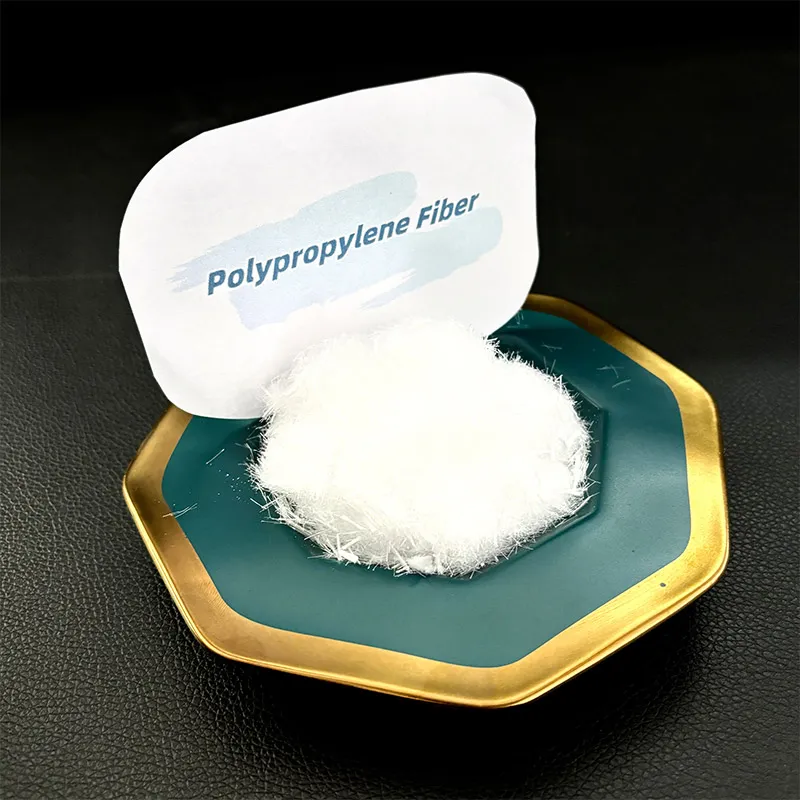
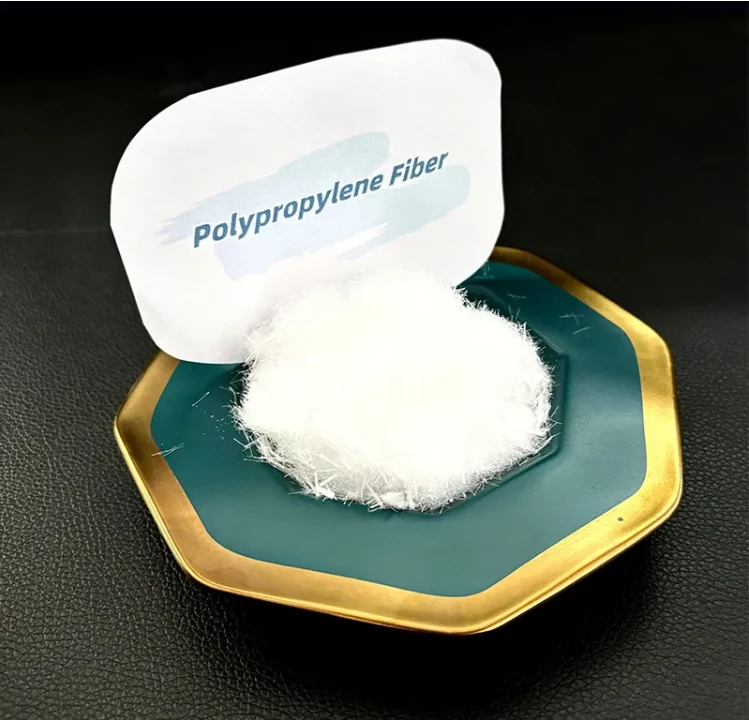


Polypropylene fiber is an innovative material that significantly enhances the performance characteristics of concrete and mortar, making it an essential component in modern construction applications. As a premier supplier, HeBei ShengShi HongBang delivers premium-grade polypropylene fibers that meet rigorous international standards for strength, durability, and performance optimization. Technical Specifications of Premium Polypropylene Fibers Parameter Standard Value Test Method Performance Benefit Fiber Length 3-20 mm ASTM D2130 Crack control optimization Diameter 18-45 microns ISO 1888 Optimal reinforcement distribution Tensile Strength 400-750 MPa ASTM D2101 Structural reinforcement Elastic Modulus 3.5-10 GPa ISO 527 Flexural strength enhancement Melting Point 160-170°C ASTM D7138 Heat resistance Density 0.91 g/cm³ ISO 1183 Ease of mixing Alkali Resistance >95% ASTM C1116 Concrete matrix longevity Dosage Rate 0.6-1.8 kg/m³ ACI 544 Plastic shrinkage reduction Industry Applications & Technical Advantages Concrete Reinforcement Our pp fiber products reduce crack formation by up to 85% while improving impact resistance by 150% (ACI Materials Journal). Mortar Enhancement Microfiber synthetic additives decrease permeability and improve freeze-thaw durability in mortar applications. Pavement Construction Integrating polypropylene fibre extends road lifespan by minimizing reflective cracking (Journal of Materials in Civil Engineering). Industrial Flooring Our fibers increase abrasion resistance and eliminate joint spacing limitations in warehouse slabs. Performance Analysis of Polypropylene Fibers Comparative strength development in fiber-reinforced concrete Surface durability under abrasion testing cycles (ASTM C944) Global market growth projections for synthetic fibers (2024-2030) Technical FAQ: Polypropylene Fiber Applications What fiber length provides optimal crack control? For most concrete applications, 12mm fibers demonstrate optimal performance with uniform dispersion and maximum crack-bridging capability according to RILEM technical recommendations. For spray applications, 6mm microfibers are preferred. How does aspect ratio affect reinforcement? Aspect ratio (length/diameter) directly influences bonding strength. We manufacture fibers with 200-500 ratios ideal for different mix designs. Higher ratios increase tensile strength but require careful mixing procedures. What polymer grade is suitable for aggressive environments? Our chemically-modified homopolymer fibers with pH stability from 1-13 withstand harsh chemical exposure exceeding 20 years according to ASTM C666 freeze-thaw certification. How does dosage affect compressive strength? Optimal dosages between 0.9-1.2kg/m³ increase compressive strength 15-20% as documented in ACI 544.3R reports. Higher dosages improve toughness but may slightly decrease workability. What surface treatments enhance bonding? Our proprietary hydrophilic coating improves fiber-matrix bond strength by 30% compared to untreated fibers (CTLGroup testing). This treatment also reduces mixing time. How do synthetic fibers compare to steel reinforcement? While steel provides primary reinforcement, polypropylene fiber offers secondary reinforcement with superior crack control, corrosion resistance, and freeze-thaw protection at 1/10 the material cost. What certifications does your production meet? Our manufacturing facility is ISO 9001:2015 certified with individual products meeting ASTM C1116, EN 14889-2, and JIS A6204 standards for consistent quality assurance. Industry Recognition & Technical Validation "Recent studies confirm that properly engineered polypropylene fibers can extend concrete service life by 40-60% by effectively controlling microcrack formation during critical curing stages." - International Journal of Concrete Structures and Materials Additional Technical References: "Performance Evaluation of Synthetic Fiber Reinforced Concrete" - American Concrete Institute ( www.concrete.org ) "Global Fiber Market Analysis 2023" - Fiber Cement Composite Research Council ( fibercomposites.org ) "Durability Enhancements through Microfibers" - Journal of Building Materials Science ( jbms.build ) "Comparative Analysis of Fiber Reinforcements" - Materials and Structures Journal ( matsstruct.springer.com ) "Advanced Production Techniques for PP Fibers" - International Fiber Association ( globalfibers.org ) Request Your Technical Sample Package Experience the ShengShi HongBang difference in our premium polypropylene fiber products engineered for superior performance. Contact Our Engineering Team Call: +86 13180486930 Email: 13180486930@163.com
- 40000tons

Production
- 20+years

Experience
- 5000+㎡

Acreage

-
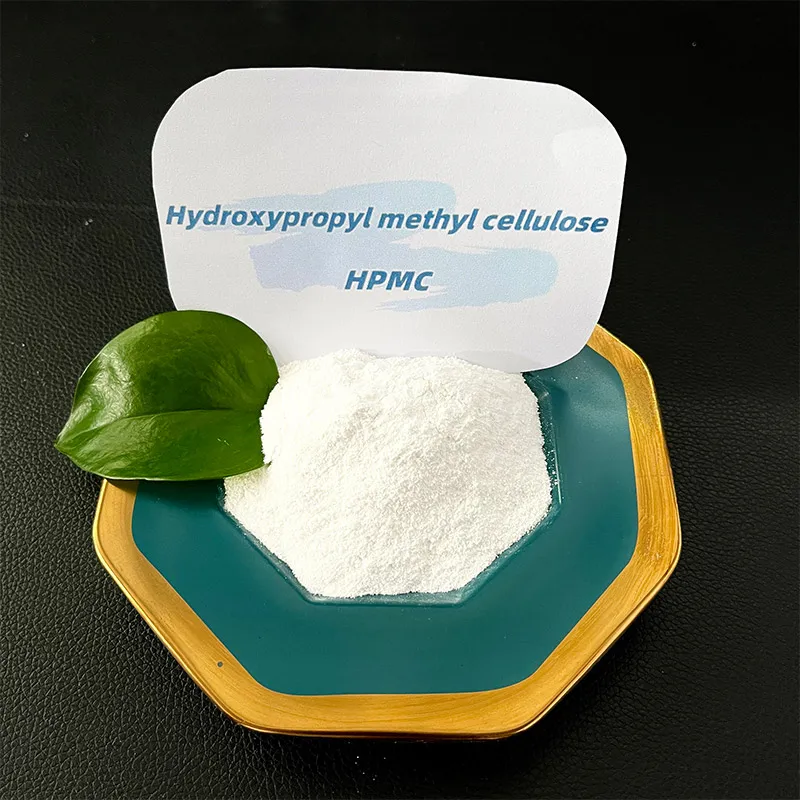
Hydroxypropyl Methylcellulose (HPMC) E6 stands out as an unparalleled option in the field of industrial and consumer applications, providing an impressive combination of durability, versatility, and cost-effectiveness. This article delves into its multifaceted uses, backed by real-world experiences and scientific expertise from industry veterans, reinforcing its indispensable role in various sectors. In the construction industry, HPMC E6 proves to be a crucial component in achieving superior quality results. Its ability to enhance water retention and improve workability in cement and gypsum-based formulations makes it a trusted additive for tile adhesives, plasters, and mortars. Contractors frequently share testimonials about projects that benefited from the reduced cracks and improved bonding strength provided by HPMC E6, leading to lasting structural integrity. These firsthand experiences align with studies indicating significant advancements in tensile strength and flexibility for HPMC E6-modified materials, underscoring its reliability in demanding construction environments. When shifted to the pharmaceutical industry , the impact of HPMC E6 becomes even more profound. As a highly regarded excipient, it serves various functions, notably in controlled-release formulations. Its consistency in quality and performance has earned the trust of pharmacists and formulary scientists worldwide. Experienced formulators frequently note the ease with which HPMC E6 can be hydrated and its stability across a range of pH levels, optimizing drug delivery systems. Peer-reviewed research corroborates these experiences, confirming its efficacy in maintaining drug stability and releasing active ingredients with precision. In the realm of personal care products, HPMC E6 showcases its excellence in texture enhancement and stabilization, making it a favorite among cosmetic chemists. Its ability to thicken and emulsify without compromising the sensory properties of beauty products is unparalleled. Users have expressed satisfaction with the smooth application and consistent performance of creams and lotions incorporating HPMC E6, attributing improved aesthetics and moisture retention to this remarkable additive. hpmc e6 Environmental considerations also highlight the strengths of HPMC E6, as it aligns with sustainable practices. Its biodegradable nature does not compromise performance, ensuring that industries utilizing HPMC E6 are also contributing to ecological preservation. Environmental engineers and sustainability experts advocate for its wider adoption, noting its effectiveness in aligning with green objectives without sacrificing the high standards required in various applications. The financial aspect cannot be overstated; businesses leveraging HPMC E6 for their production processes often observe significant cost savings. Its ability to replace multiple individual additives reduces complexity in formulations and curtails procurement expenses. Real-world cost analysis reports demonstrate a marked reduction in total expenditure, bolstering the argument for HPMC E6 as a cost-efficient ingredient in competitive markets. As industries evolve, the authority of HPMC E6 remains unchallenged, consistently proving its mettle through expert endorsements and ethical manufacturing standards. Its adaptability, proved through countless applications, continues to build trust among users and manufacturers alike, who view it as an essential component ensuring progress and innovation while maintaining quality and sustainability. In conclusion, HPMC E6 emerges as a cornerstone in various industries, accredited by the confluence of expert knowledge, user trust, and authoritativeness. As the world strides towards more complex and demanding applications, HPMC E6 is poised to lead the charge, setting benchmarks for efficacy and reliability while championing environmental responsibility.
-

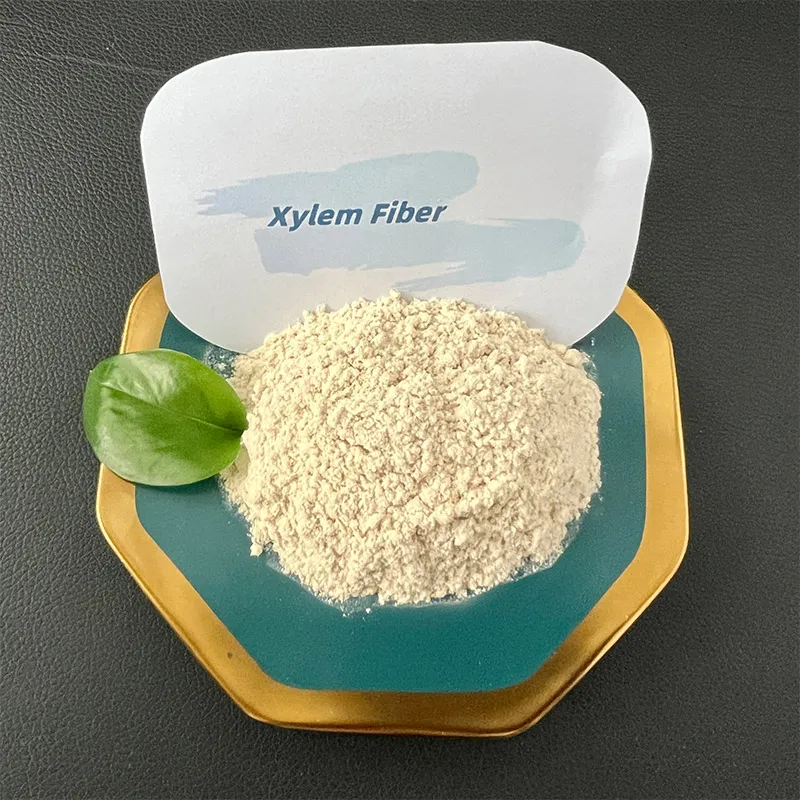
In the pursuit of sustainable and renewable materials, few substances hold as much promise as fibre made from wood pulp . As the world turns away from petroleum-based synthetics like polyester, more attention is being given to bio-based alternatives that are not only environmentally friendly but also high-performing. Among these alternatives, cellulose-based fibers derived from wood pulp stand out for their biodegradability, comfort, and versatility. These fibers are already widely used in textiles, hygiene products, packaging, and even medical applications. But what exactly is fibre made from wood pulp ? How is it connected to cellulose wood pulp ? And what does the extraction of cellulose from wood involve? This article explores the answers to these questions and highlights the significance of cellulose in shaping a greener future. Is Cellulose Wood Pulp? Understanding the Relationship A common question in the bio-materials industry is whether cellulose is wood pulp . The short answer is: not exactly, but they are intimately related. Cellulose is a natural polymer and the main structural component of plant cell walls. In trees, cellulose fibers are bundled with other components such as lignin and hemicellulose. To access cellulose in a usable form, it must be separated from these other substances. Wood pulp refers to the raw, fibrous material produced by mechanically or chemically breaking down wood. It contains a high percentage of cellulose, typically between 40% and 60%, depending on the type of wood and the processing method. Therefore, cellulose is not the same as wood pulp , but wood pulp is a major source of cellulose . Purified wood pulp, especially after the removal of lignin and other impurities, is often referred to as cellulose pulp or dissolving pulp when destined for fiber production. This purified cellulose can then be transformed into regenerated fibers like viscose, lyocell, or modal, which are used in the textile industry. Fibre Made from Wood Pulp: A Renewable Textile Revolution The use of fibre made from wood pulp in textiles is nothing new, but recent advances in green chemistry and growing concerns over environmental sustainability have given these fibers renewed attention. Common regenerated cellulose fibers such as rayon , viscose , lyocell , and modal are all examples of wood-based fibers created through various processing techniques. These fibers offer numerous benefits. They are soft to the touch, highly breathable, and moisture-absorbent, making them ideal for clothing, home textiles, and hygiene products. Unlike synthetic fibers, they are also biodegradable, returning to nature at the end of their life cycle without releasing harmful microplastics. Modern technologies, particularly the closed-loop process used to produce lyocell, have further enhanced the eco-friendliness of these fibers. These methods reduce chemical waste, improve worker safety, and minimize water and energy consumption during manufacturing. As a result, fibre made from wood pulp is now regarded as one of the most sustainable choices for eco-conscious brands and consumers. Extraction of Cellulose from Wood: From Tree to Textile The extraction of cellulose from wood is a sophisticated process that involves several stages. The objective is to isolate cellulose from the other components in wood, mainly lignin and hemicellulose. Depending on the end use of the cellulose—paper, textiles, food additives, or pharmaceuticals—the level of purity required can vary. The most common methods for extracting cellulose include: Mechanical pulping , where wood chips are ground to release the fibers. This process retains much of the lignin and is mainly used in paper production where high whiteness is not necessary. Chemical pulping , particularly the kraft and sulfite processes, involves treating wood chips with chemicals that dissolve lignin and hemicellulose, leaving behind cellulose fibers. The result is a stronger and more chemically pure pulp. Bleaching and purification , which further remove residual lignin and other impurities to produce high-purity cellulose pulp . This purified pulp is ideal for textile fiber production or specialty applications. In the case of producing viscose or lyocell, the purified pulp is dissolved in specific solvents. For example, in the lyocell process, the cellulose is dissolved in N-methylmorpholine N-oxide (NMMO) , a non-toxic, recyclable solvent. The resulting solution is extruded through spinnerets to form continuous fibers that can be spun into yarn and woven into fabric. This method of extracting and converting cellulose into fiber exemplifies how fibre made from wood pulp transitions from a forest resource into a high-performance material suitable for modern textiles. Applications of Cellulose Wood Pulp Beyond Textiles Although fibre made from wood pulp is predominantly used in textiles, the applications of cellulose wood pulp extend far beyond fashion. In the food industry, cellulose is used as a thickener and stabilizer in processed foods, while in the pharmaceutical sector, it serves as a binder and filler in tablets. Cellulose derivatives, such as carboxymethyl cellulose (CMC) and hydroxypropyl methylcellulose (HPMC) , are vital in creating biodegradable films, capsules, and coatings. In the world of packaging, cellulose pulp is being harnessed to create compostable alternatives to plastic. Films made from regenerated cellulose are already being used in food packaging due to their transparency, strength, and biodegradability. As global regulations tighten around single-use plastics, cellulose-based packaging is positioned to become a game-changer. Construction and insulation industries are also exploring the use of cellulose fibers for thermal and acoustic insulation. These fibers are lightweight, non-toxic, and derived from renewable sources, aligning perfectly with green building principles. The adaptability of cellulose wood pulp across industries reinforces its role as one of the most valuable and sustainable raw materials available today. The Environmental Impact of Using Fibre from Wood Pulp One of the primary drivers behind the shift toward fibre made from wood pulp is its reduced environmental footprint compared to synthetic alternatives. Synthetic fibers like polyester are derived from fossil fuels and contribute significantly to greenhouse gas emissions and microplastic pollution. In contrast, cellulose fibers originate from renewable forests and can biodegrade naturally at the end of their use. Moreover, responsible forestry practices and certification systems such as FSC (Forest Stewardship Council) and PEFC (Programme for the Endorsement of Forest Certification) ensure that the wood used to make pulp is harvested sustainably, preserving biodiversity and protecting ecosystems. Innovations in closed-loop production, particularly in lyocell manufacturing, have drastically reduced chemical usage and wastewater output. These advancements demonstrate that fibre made from wood pulp not only performs well but also aligns with principles of environmental stewardship and circular economy. Xylem Fiber FAQs Is cellulose wood pulp the same as fibre? Not exactly. Cellulose is the primary component of wood pulp , and fiber can be made from cellulose after it is extracted and processed. While wood pulp is the raw material, fiber is the finished or intermediate product that can be spun into textiles. What types of fiber are made from wood pulp? Common fibers made from wood pulp include viscose , rayon , modal , and lyocell . These are all examples of regenerated cellulose fibers used in clothing, home textiles, and hygiene products. How is cellulose extracted from wood? Cellulose is extracted through mechanical or chemical pulping, followed by bleaching and purification to remove lignin and hemicellulose. The resulting purified cellulose is then ready for use in textile production or other industries. Is fibre made from wood pulp biodegradable? Yes, fibers derived from wood pulp are biodegradable. They decompose naturally in soil or composting environments, unlike synthetic fibers that persist as microplastics in the environment for decades. Why is fibre made from wood pulp considered sustainable? Fibre from wood pulp is derived from renewable sources and can be manufactured using environmentally responsible processes. It is biodegradable, has a lower carbon footprint than synthetic fibers, and supports the global shift toward sustainable materials.
advantages
-

200000 Viscosities
Excellent product
We can produce pure products up to 200,000 viscosities
-

40000 tons
High yield
We don’t stop production all year round, and the annual output can reach 40,000 tons
-

24 hours
Quality service
We provide 24-hours online reception service, welcome to consult at any time
———— Inquiry Form
Schedule A services


-
 hpmc_solubility_in_ethanol
Oct . 25, 2025
In the world of construction and remodeling, the use of plaster retarder is a nuanced topic that dem -
 kizuia_plasta
Oct . 25, 2025
In today’s fast-paced manufacturing and construction industries, the demand for sustainable and cost -
 polypropylene_fiber_for_sale
Oct . 25, 2025
The emergence of HPMC nasal spray as a potential tool in the fight against COVID-19 has garnered sig


